
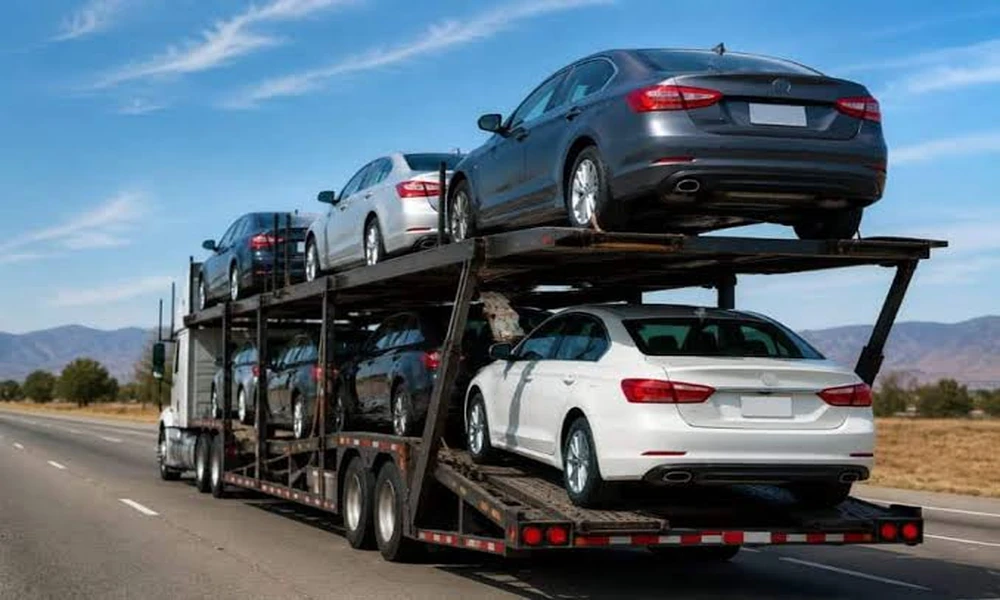
Transporting a vehicle across state lines or across the country requires precision engineering, specialized equipment, and rigorous handling. Whether you are moving, buying a vehicle online, or relocating for work, understanding how car carriers load, secure, and move vehicles ensures a safe and predictable shipping experience.
How Does a Car Carrier Transport Vehicles?
The primary purpose of a car carrier is to move motor vehicles safely, efficiently, and cost-effectively over long distances. Instead of adding wear and tear, mileage, and depreciation to a single car, multi-vehicle trailers consolidate transport for individual owners, dealerships, manufacturers, and auctions.
Differences Between Open and Enclosed Car Carriers
- Open Car Carriers: The standard in auto shipping. These trailers feature an open double-deck structure that typically accommodates 7 to 10 vehicles. While exposed to normal weather and road debris, they represent the most economical transport option.
- Enclosed Car Carriers: Fully enclosed trailers shield vehicles completely from rain, dust, rocks, and environmental fallout. They are ideal for high-value, classic, exotic, or custom vehicles requiring maximum protection.
Car carriers feature hydraulic ramps, heavy-duty structural steel, adjustable decks, and specialized securement anchor points designed to transport multiple vehicles safely. Because an unstable vehicle can compromise the safety of the entire rig, professional loading and securement are critical to preventing structural damage, vehicle contact, or load imbalance during transit. Professional auto transport companies bring the trained operators, specialized rigging, and logistical management required to execute every move securely.
Step 1: Inspecting the Vehicle Before Loading
Before a vehicle is loaded onto a trailer, a thorough pre-transport inspection is conducted by the carrier driver alongside the customer or pickup representative.
- Document Existing Damage: Record all pre-existing scratches, dents, paint chips, rust, or glass chips on the official Bill of Lading (BOL).
- Take Multi-Angle Photographs: Capture clear photos of the vehicle’s exterior, interior, wheels, and underside clearance in well-lit conditions.
- Record Odometer & Mechanical Condition: Document the current mileage and note any mechanical quirks, starting issues, or leaks.
- Remove Personal Belongings: Clear out all personal items, loose objects, and aftermarket accessories. Unsecured cargo adds weight, is not covered by carrier insurance, and can shift, damaging the interior during transit.
Reviewing and co-signing this inspection report ensures complete transparency and establishes an agreed-upon baseline of your vehicle’s condition before transit begins.
Step 2: Preparing the Car for Loading
Proper vehicle preparation speeds up the loading process and minimizes transport risks:
- Confirm Operability: Verify that the engine starts, the transmission engages, and the steering and brakes function smoothly.
- Check Tire Inflation: Ensure all tires are inflated to the manufacturer’s recommended PSI to maintain stable tie-down tension.
- Secure the Battery & Engine: Make sure the battery bracket is tight and fluid levels are top-tier with no active leaks.
- Set Fuel Level to 1/4 Tank: Leave approximately one-quarter tank of fuel-enough to drive on and off the trailer without adding unnecessary weight to the load.
- Retract Exterior Accessories: Fold inside mirrors, retract or unscrew antennas, and remove or secure aftermarket bike racks, toll passes, or spoilers.
- Disable Alarms: Turn off anti-theft systems or provide written instructions to the driver to prevent battery drain during transit.
Note on Inoperable Vehicles: If a vehicle cannot run, steer, or brake, it requires specialized prep. Advance notice is required so the driver can bring winches, snatch blocks, or wheel dollies to load the vehicle safely.
Step 3: How Carriers Load Vehicles
Loading a multi-car trailer requires careful planning, spatial calculation, and precise driving.
The driver first positions the carrier on a flat, stable, hard-packed surface away from overhead obstructions like trees or power lines. Specialized loading ramps are extended and adjusted hydraulically to create a smooth entry angle.
Vehicles are carefully driven or winched onto the ramps at low speeds. When positioning vehicles across multiple decks:
- Weight Distribution: Heavier vehicles (SUVs, trucks) are strategically placed on lower decks or over carrier axles to balance the center of gravity and satisfy federal axle-weight regulations.
- Spacing: Drivers maintain safety buffers between rooflines, bumpers, and adjacent decks, accounting for suspension bouncing during transit.
- Ground Clearance: Low-clearance or modified vehicles require extended ramp angles or race-style drop decks to prevent undercarriage scraping.
- Specialty Handling: Classic, exotic, and luxury vehicles receive tailored placement-often inside enclosed trailers with low-angle hydraulic tailgates.
How Are Cars Secured on a Car Carrier?
Once positioned, vehicles must be anchored to prevent shifting from acceleration, sudden braking, sharp turns, or road vibrations.
- Over-the-Tire Wheel Straps: Professional carriers secure cars using heavy-duty, synthetic webbing wheel straps (often called “lasso” or “three-point harness” straps) fitted over the tread of each tire.
- Tire-focused Anchor Points: Anchoring at the tires allows the vehicle’s natural suspension to absorb bumps independently without placing undue stress on the chassis or axle components.
- Chassis-to-Deck Securement (where appropriate): On specialized decks or specific vehicle frames, approved chain tie-downs or soft axle straps are used at dedicated factory securement points.
Professional carriers follow DOT and OSHA safety regulations to ensure every strap is ratcheted to the correct tension, keeping the vehicle stable across all road conditions without over-compressing its suspension.
How Car Carriers Prevent Vehicle Movement During Transport
Preventing vehicle movement is a continuous process throughout the trip:
- Proper Wheel Placement: Locking tires into specialized deck tracks or using wheel chocks prevents lateral and longitudinal rolling.
- Maintaining Strap Tension: Synthetic straps naturally relax under tension and vibrations. Drivers inspect and re-torque straps within the first 50 miles of travel and during routine rest stops.
- Balanced Load Distribution: Proper weight placement prevents trailer sway during high winds, uneven mountain passes, or evasive maneuvers.
- Weather and Road Adaptation: Heavy rain, ice, rough pavement, or high crosswinds require drivers to adjust speed, increase checking frequency, and maintain larger safety margins.
Combined with high-strength equipment and experienced, commercial-licensed drivers, these protocol checks safeguard cargo over thousands of miles.
Open vs. Enclosed Carriers: How Vehicle Securement Can Differ
| Feature | Open Car Carriers | Enclosed Car Carriers |
| Primary Use | Daily drivers, standard sedans, trucks, SUVs | High-value, classic, exotic, vintage, custom cars |
| Protection Level | Open to weather, road dust, and insects | Fully sealed against elements, dirt, and debris |
| Loading Gear | Standard hydraulic ramps | Liftgates, extended low-angle ramps, interior winches |
| Securement | Over-the-tire wheel straps or frame hooks | Soft-wheel harness straps, E-track floor systems |
| Cost | Baseline economical rate | Premium rate (typically 30%-50% higher) |
Open Car Carriers
Open car carriers are the standard choice for moving operational personal vehicles. Cars are positioned on tiered steel decks and secured with commercial wheel straps. While vehicles are exposed to standard ambient weather, their placement and securement follow rigid safety guidelines to keep them fully locked in position throughout the trip.
Enclosed Car Carriers
Enclosed car transport provides complete isolation from outside weather, moisture, and road hazards. These trailers feature specialized loading tools like hydraulic liftgates to maintain flat entry angles for low-slung exotics. Inside, soft-braided tire straps secure vehicles to floor-mounted E-tracks, ensuring no metal hardware contacts delicate rims or paint finishes. Companies like PreOwned Auto Logistics (PAL) offer specialized enclosed transport options tailored for high-value and collector vehicles.
How Are Inoperable Vehicles Loaded Onto Car Carriers?
An inoperable vehicle cannot start, run, steer, or brake on its own power. Shipping a non-running car requires additional mechanical planning and specialized equipment:
- Electric Winches: Heavy-duty winches draw non-running vehicles up ramps controlled by variable speed cables.
- Wheel Dollies and Go-Jacks: If wheels are locked or steering is unresponsive, dollies are placed underneath the tires so the vehicle can roll safely onto the deck.
- Full Disclosure: Disclosing a vehicle’s precise mechanical state during booking is crucial. A carrier must arrive with the correct winching equipment, deck clearance, and helper tools to avoid delays or extra fees at pickup.
How Special Vehicles Are Loaded and Secured
Specialized vehicles demand custom loading strategies to ensure zero contact damage:
- Low-Clearance & Modified Vehicles: Lowered sport compacts or race cars require ramp extensions, race-ramps, or hydraulic drop-decks to clear front splitters and oil pans.
- Exotics & Luxury Cars: Drivers use protective floor mats, steering wheel covers, and soft-touch synthetic tire harnesses to keep surfaces pristine.
- Classics & Collectibles: Antique vehicles with modified suspension or delicate chassis geometries require specialized wheel-only tiedowns rather than frame anchors.
- Oversized Trucks & SUVs: Lifted trucks, duallys, or vans need top-deck clearances and wide-track decks, requiring advance height and width dimensions before scheduling.
- Electric Vehicles (EVs): High curb weights due to battery packs require precise axle placement to keep overall carrier weights within legal federal bridge limits.
What Customers Should Do Before Their Car Is Loaded
Prepare your vehicle thoroughly using this quick pre-load checklist:
- [ ] Clean the Car: Wash the exterior so scratches, dings, and paint conditions- are clear during inspection.
- [ ] Remove Personal Items: Clear out electronics, luggage, tolls, and valuable items.
- [ ] Secure Loose Parts: Remove or secure custom spoilers, bike racks, magnetic signs, and ground effects.
- [ ] Document Condition: Take high-resolution photos of the interior, exterior, wheels, and odometer.
- [ ] Adjust Fuel Level: Keep fuel between 1/8 and 1/4 tank.
- [ ] Set Up Keys & Access: Provide a working ignition key and door key; disable aftermarket alarms.
- [ ] Confirm Logistics: Ensure your pickup point is accessible for a 75-foot commercial carrier, or coordinate an open nearby parking lot to meet the driver.
What Happens After the Vehicle Is Loaded?
- Final Securement Verification: The driver checks all wheel straps, safety chains, deck locks, and ramp pins.
- Bill of Lading Signing: You and the driver review, sign, and keep copies of the pre-transport inspection and BOL report.
- Transit Phase: The carrier begins the trip, offering regular status updates or GPS tracking progress.
- Delivery Inspection: Upon arrival, walk around the vehicle with the driver, compare its current state to the initial BOL, verify the odometer, and sign the delivery release paperwork only after confirming everything matches.
Common Mistakes That Can Affect Safe Vehicle Transport
- Inaccurate Dimensions or Weight Details: Omitting details about lift kits, roof racks, or wide tires can prevent your vehicle from fitting safely onto the assigned carrier.
- Failing to Disclose Non-Running Status: Arriving to pick up a non-running vehicle without a winch causes immediate delays and extra fees.
- Leaving Belongings Inside: Extra weight inside the trunk or cabin can damage the interior or put the carrier over federal weight limits.
- Skipping the Delivery Inspection: Signing off on delivery without walking around the vehicle waives your right to claim damages discovered later.
- Choosing Solely Based on Price: Extremely cheap quotes often come from inexperienced carriers, hidden fees, or unreliable transport timelines.
How to Choose a Reliable Auto Transport Company
Selecting an auto transport partner requires verifying credentials, processes, and service terms:
- Verify Licensing and Coverage: Ensure the company is licensed with the FMCSA, carries active USDOT numbers, and provides clear insurance coverage details.
- Inspect Reputation: Check verified customer reviews, Better Business Bureau ratings, and industry track records.
- Ask About Process Details: Confirm how vehicles are inspected, what equipment is used to secure wheels, and how updates are shared.
- Demand Transparent Pricing: Choose companies that provide clear line-item quotes covering all transport, insurance, and door-to-door fees upfront.
Providers like PreOwned Auto Logistics focus on transparent pricing, careful handling, and step-by-step guidance throughout the shipping process.
FAQs About Loading and Securing Cars on Car Carriers
How are cars secured on a car carrier?
Cars are primarily secured using heavy-duty, over-the-tire synthetic wheel straps ratcheted directly into the trailer deck. This holds the tires firm while allowing the vehicle’s natural suspension to absorb road movement without strain.
Can a car be transported if it does not run?
Yes. Non-running cars can be winched onto the carrier or loaded using specialized dollies. You must disclose that the car is inoperable during booking so the carrier brings the proper equipment.
Can low-clearance cars be shipped on a car carrier?
Yes. Low-clearance cars can be shipped using enclosed liftgate trailers, ramp extensions, or drop-deck trailers. Sharing ground clearance dimensions in advance ensures the carrier uses the right loading setup.
Are cars safe on open car carriers?
Yes. Open car carriers are the industry standard for shipping personal vehicles. They use secure wheel-strap anchors and hydraulic deck locks to protect cars over thousands of transit miles.
Is enclosed transport better for expensive cars?
Enclosed transport offers total isolation from rain, dust, rocks, and environmental exposure. It is highly recommended for exotic, luxury, classic, or custom high-value vehicles.
Should I inspect my car before it is loaded?
Yes. Walking around the vehicle with the driver, recording existing scratches or dings, taking photos, and signing the Bill of Lading protects you if any damage claims arise.
How do I prepare my car for transport?
Clean the vehicle, keep fuel at 1/4 tank, remove all personal belongings, fold in mirrors, unscrew antennas, disable alarms, and ensure tires are properly inflated.
Key Takeaways for Safe Vehicle Transport
- Professional Securement is Essential: Over-the-tire straps, deck positioning, and balanced weight distribution keep vehicles stable throughout transit.
- Transparency Prevents Delays: Accurately stating your car’s condition, size, ground clearance, and operability helps ensure the right equipment arrives at pickup.
- Thorough Documentation Matters: Taking pre-load photos and completing a detailed Bill of Lading protects both you and the carrier.
- Match Transport to Vehicle Needs: Standard operational vehicles run well on open carriers, while high-value cars benefit from enclosed transport.
Hidden Fees in Auto Transport: What to Watch Out For Before Booking
Getting an auto transport quote seems straightforward at first, but final invoices don’t always match initial estimates. Knowing how car shipping prices are structured helps you spot low quotes, ask the right questions, and secure reliable service without unexpected costs.
What Are Hidden Fees in Auto Transport?
A hidden fee in auto transport is any charge added to your final bill that was not clearly stated, itemized, or explained in your original quote.
A quoted price is an estimate based on initial parameters, whereas the final transportation cost accounts for operational realities encountered during pickup, transit, and delivery. Not every extra fee is unfair-legitimate costs like winching an inoperable car or navigating a hard-to-reach area require real labor and equipment. However, reputable auto transport companies explain these potential costs upfront so you know what is included before booking.
Common Auto Transport Fees Customers Should Understand
Auto transport pricing is built on several key factors:
- Base Transportation Cost: The core rate charged to move a car over a specific mileage corridor.
- Pickup and Delivery Access Charges: Surcharges for navigating narrow residential streets, restricted city centers, or mountain roads requiring a smaller shuttle truck.
- Fuel Surcharge Adjustments: Variable fees tied to national diesel price fluctuations during long-haul trips.
- Enclosed vs. Open Carrier Premiums: Enclosed shipping carries a higher baseline fee due to equipment costs and lower trailer capacity.
- Expedited Dispatch Fees: Extra charges for locking in immediate pickup dates or guaranteed timeframes.
- Inoperable Vehicle Equipment Fees: Costs for winches, cables, and extra labor needed to load non-running cars.
- Oversized/Modified Vehicle Surcharges: Added fees for lifted suspensions, roof racks, dual rear wheels, or high curb weights that use more space or capacity.
- Seasonal Rate Shifts: Pricing swings driven by seasonal demand, such as snowbird migrations in spring and fall.
Why Can a Car Shipping Quote Change?
An initial estimate may change if actual transport conditions differ from the original request details:
- Inaccurate Vehicle Details: Submitting a quote for a standard sedan when shipping a lifted SUV requires updating trailer space and weight allocations.
- Operability Changes: If a vehicle breaks down or loses battery power before pickup, an inoperable fee must be added for winching equipment.
- Location Accessibility: If a 75-foot car carrier cannot safely enter your neighborhood, meeting at a nearby open lot avoids extra shuttle transfer fees.
- Timeline Constraints: Shifting from flexible dates to a fixed 24-hour pickup window requires priority scheduling adjustments.
- Route & Seasonal Availability: Sudden driver shortages or weather shifts along major corridors can adjust spot market rates.
Providing accurate vehicle details, precise addresses, and realistic dates upfront ensures your initial quote matches your final price.
Watch Out for Low-Ball Car Shipping Quotes
One of the most common pitfalls in auto transport is the low-ball quote. Unscrupulous brokers may offer an unrealistically low estimate just to collect a deposit and secure your booking.
Once booked, the broker lists the load on national dispatch boards at that low rate. Independent carriers pass on it because it doesn’t cover fuel, toll, and operational costs. As your target date approaches, the broker claims rates have changed and demands more money to move your car.
Avoid focusing solely on the lowest price. Evaluate companies based on carrier history, safety scores, insurance details, customer reviews, and clear contracts.
Potential Fees to Ask About Before Booking
Inoperable Vehicle Fees
- Why it costs more: Moving a non-running car requires specialized electric winches, snatch blocks, and extra labor.
- What to ask: “Does this quote cover winching and loading fees if my car cannot start or steer?”
Enclosed Transport Fees
- Why it costs more: Enclosed trailers carry fewer cars per haul, use climate or dust seals, and feature hydraulic liftgates.
- What to ask: “Is the enclosed transport fee all-inclusive, or are there extra liftgate surcharges?”
Expedited Shipping Fees
- Why it costs more: Rushing dispatch requires rerouting trucks or paying premium rates to secure priority space.
- What to ask: “Does this fee guarantee a specific pickup date, or does it only prioritize listing my vehicle?”
Remote Location or Difficult Access Fees
- Why it costs more: Driving large rigs into tight residential areas, dirt roads, or low-clearance bridges takes extra time and fuel-or requires a local flatbed shuttle.
- What to ask: “Will there be extra charges if my street cannot accommodate a 75-foot auto carrier?”
Oversized, Modified, or Specialty Vehicle Fees
- Why it costs more: Vehicles with aftermarket roof racks, wide tires, lifted suspensions, or long wheelbases occupy extra deck space and use more weight allowance.
- What to ask: “Given my vehicle’s exact height and width, are all dimensional surcharges included?”
How to Read an Auto Transport Quote
Carefully review every line item in your quote before signing or paying a deposit:
Check whether the quote guarantees door-to-door delivery or specifies terminal drop-offs. Make sure you receive written confirmation detailing included services, total price, deposit terms, and cancellation policies before moving forward.
Questions to Ask an Auto Transport Company Before Booking
Protect yourself from surprise costs by asking these key questions upfront:
- Is this quote a binding, all-inclusive estimate, or can it change before pickup?
- Under what specific conditions could my final price increase?
- Are cargo insurance coverage and deductible costs fully included in this price?
- Does this quote include complete door-to-door delivery, or are terminal fees extra?
- Are winching fees included if my car becomes inoperable before loading?
- What happens if a 75-foot carrier cannot access my residential street?
- What is your deposit policy, and is it refundable if you fail to assign a driver?
- Are there cancellation or rescheduling fees if my plans change?
How to Compare Car Shipping Quotes Without Getting Surprised
Comparing transport quotes requires looking beyond the bottom line:
| Comparison Metric | Provider A (Low-Ball Quote) | Provider B (Transparent Quote) |
| Quoted Rate | Extremely low ($600) | Realistic market rate ($1,050) |
| Included Services | Basic hauling only | Door-to-door, insurance, fuel included |
| Carrier Guarantee | Unassigned spot market listing | Direct driver dispatch assigned |
| Price Adjustment | Subject to change before dispatch | Fully locked line-item breakdown |
| Hidden Surcharges | Extra fees added for fuel/winch later | Clear conditions stated in writing |
To compare quotes accurately:
- Use identical vehicle details, modification notes, and pickup/delivery addresses across all requests.
- Compare open and enclosed quotes separately.
- Confirm whether door-to-door service, insurance, and fuel fees are included in each quote.
- Prioritize clear, straightforward communication over aggressive sales tactics.
How PreOwned Auto Logistics Approaches Transparent Auto Transport Pricing
Navigating auto transport company pricing doesn’t have to be complicated. Companies like PreOwned Auto Logistics (PAL) prioritize transparent pricing from the initial quote through delivery. By gathering complete vehicle details, modification notes, route specifics, and operability status upfront, PAL builds accurate, itemized estimates that reflect true shipping costs.
Clear communication ensures you understand your transport options-whether open or enclosed-and know what is covered before committing. Working with an experienced transport partner gives you confidence throughout your vehicle’s journey.
Red Flags to Watch for When Booking Car Shipping
Avoid brokers or transport companies that display these warning signs:
- Quotes Far Below Market Average: Prices 30% to 50% lower than competing offers are often low-ball tactics designed to secure an upfront deposit.
- Vague Price Explanations: Sales reps who refuse to confirm whether fuel, insurance, or door-to-door delivery are included.
- High-Pressure Deposit Demands: Demanding non-refundable upfront payments before assigning a driver or providing a written contract.
- No Physical Business Footprint or USDOT Number: Companies that lack verifiable USDOT registration, active FMCSA licensing, or public business details.
- Lack of Written Documentation: Operating solely on verbal promises without providing itemized, signed quote agreements.
FAQs About Hidden Auto Transport Fees
What fees should I expect when shipping a car?
Standard quotes cover base hauling mileage, fuel, insurance, and door-to-door pickup. Added charges apply only for non-running vehicles, oversized modifications, enclosed transport, or hard-to-access locations.
Can a car shipping company change the quoted price?
A quote may change if the vehicle’s size, condition, or pickup accessibility differs from the initial request details, or if you request expedited timing after booking.
Why is my car shipping quote so low?
An unusually low quote often indicates a broker using low-ball pricing to win your booking. These quotes often stall on dispatch boards until you agree to a higher price.
Does door-to-door car shipping cost more?
Door-to-door service is typically included in standard quotes. However, if your pickup or delivery location is inaccessible for a large rig, meeting at a nearby lot avoids extra local transfer costs.
Are there extra fees for inoperable vehicles?
Yes. Non-running cars require specialized winching equipment and extra labor, which adds an inoperable vehicle fee to the base rate.
How can I avoid unexpected car shipping charges?
Provide accurate vehicle details, disclose any modifications or mechanical issues upfront, get an itemized quote in writing, and select a transport provider known for transparent pricing.
Key Takeaways: How to Avoid Unexpected Car Shipping Costs
- Look Beyond the Lowest Price: Extremely cheap quotes often lead to unexpected price increases or dispatch delays.
- Share Accurate Vehicle Details Upfront: Disclose modifications, size variations, and mechanical issues before booking to ensure an accurate quote.
- Get Itemized Written Quotes: Make sure your contract details base rates, fuel surcharges, insurance coverage, and door-to-door delivery terms.
- Ask Direct Questions Before Booking: Clarify cancellation policies, driver assignment timelines, and potential accessibility fees in advance.
- Partner with a Transparent Transport Provider: Choosing a reputable, experienced carrier protects your budget, schedule, and vehicle throughout the shipping process.
