
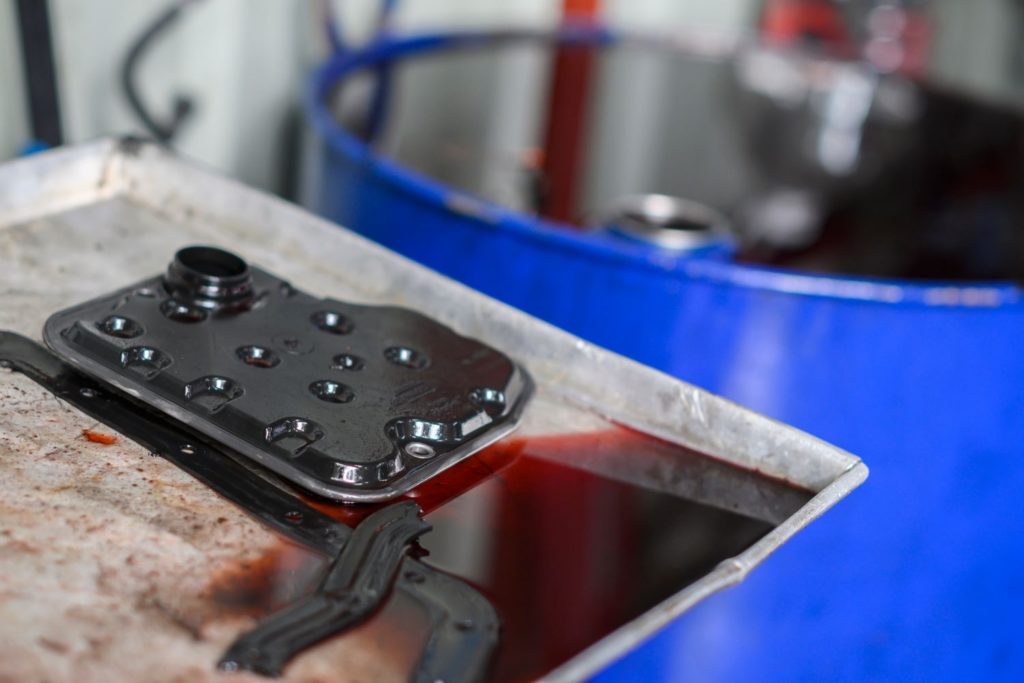
Car transmissions work very hard. They send engine power to wheels. Many vital parts move constantly. A transmission filter protects these parts. It catches harmful debris always. This unwanted debris comes from many sources. Understanding these contaminants protects. It helps predict future issues. Regular maintenance prevents big problems. Midwest Performance Cars offers really expert service.
Metallic Wear Particles
Tiny metal fragments often appear. These small bits signal wear. Transmission gears grind down slowly. Bearings also suffer friction. Internal clutches engage and disengage. Metal constantly rubs against metal. Small particles always break away. These fragments travel in fluid. The transmission filter traps these shards. It stops further component damage. This prevents larger transmission failure. Early detection is really important. Severe wear causes many problems. Metal bits indicate component fatigue. Worn parts need urgent attention. Repair prevents expensive damage. Midwest Performance Cars finds these issues. They offer quick reliable solutions.
Clutch Material Fragments
Transmission clutches use friction material. This material creates grip. Over time it breaks down. Clutch plates wear out slowly. Severe heat causes material degradation. Frequent hard shifts increase wear. Transmission fluid carries these bits. The filter captures these debris. Without a filter damage worsens. Slipping clutches are common cause. Old fluid speeds this breakdown. Regular fluid changes help greatly. A filter check is often smart. These fragments show clutch stress. They indicate potential failure. A well known Auto Repair in Westmont, IL based service from Midwest Performance Cars checks clutches. They replace worn components quickly.
Rubber and Seal Debris
Rubber seals keep fluid inside. O-rings prevent fluid leaks. Gaskets seal separate components. These parts age and harden. Extreme heat causes breakdown. Chemical exposure degrades rubber. Small pieces break off them. Fluid carries these tiny bits. The filter collects these pieces. It prevents blockages elsewhere. Blocked fluid lines cause issues. Leaking seals mean low fluid. Low fluid damages internal parts. Regular inspection prevents this. Check for external fluid leaks. Replace aging rubber proactively. This extends transmission life greatly. Your vehicle runs more smoothly.
Sludge and Varnish Deposits
Transmission fluid degrades over time. Extreme heat causes fluid breakdown. Oxidation creates thick black sludge. Varnish forms sticky hard layers. Old fluid loses its lubrication. It cannot protect parts effectively. Sludge clogs critical fluid passages. Varnish restricts component movement. These deposits cause severe damage. The filter captures some sludge. It helps remove suspended particles. Regular fluid changes prevent this. Use correct fluid specifications always. Avoid overheating the transmission. This prolongs component lifespan greatly. Clean fluid protects vital moving parts. Always maintain proper fluid levels.
Transmission filters are truly vital. They protect complex internal systems. Metal flakes signal serious issues. Clutch material means wear. Rubber bits show seal failure. Dirt means external intrusion. Sludge warns of old fluid. Regular filter checks are smart. Proper maintenance extends your car life. Consult trusted professionals always.
