
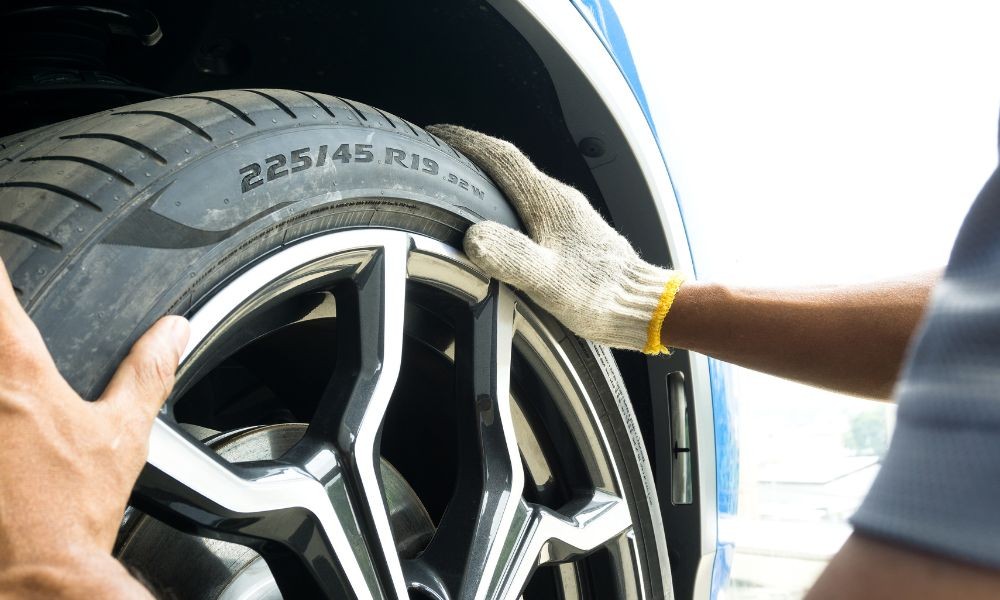
If your bike feels unstable over bumps, dips more than usual on braking, or feels harsh on rough roads, your tyre pressure could be the reason. Even small changes in pressure can affect how your suspension works and how your bike handles potholes and uneven surfaces.
Getting your bike tyre air pressure right can completely change how your bike rides. It affects grip, fuel efficiency, and even how confident you feel on the road. The good part is, it only takes a few minutes to fix.
Understanding PSI and Its Impact on Your Ride
PSI (pounds per square inch) measures the air pressure inside your tires. This one number has a big impact on how your bike feels every time you ride.
Your tyres carry your bike’s weight, provide traction for acceleration and braking, and help you steer smoothly around corners. Correct bike tyre pressure ensures these functions work optimally.
When your tyres are under-inflated, your bike feels heavier and slower, and you’ll notice your fuel efficiency drop. Over-inflated tyres, on the other hand, reduce grip and make the ride feel stiff, especially on uneven roads.
Temperature’s Effect on Pressure
You might notice your tyre pressure feels different early in the morning compared to the afternoon. That’s because air expands when it heats up and contracts when it cools down.
This is why it’s always best to check tyre pressure when the tyres are cold, ideally before you start riding. Tyres also heat up as you ride, which increases pressure temporarily, so checking them after a long ride can give you inaccurate readings.
Finding Your Bike’s Ideal PSI Range
Standard bikes typically require between 20-36 PSI, though your specific model may vary. Performance bikes often need higher pressures, ranging from 28-49 PSI. You’ll feel this difference most when you switch between riding solo and carrying a pillion.
Your owner’s manual contains manufacturer-recommended pressures for both solo and pillion riding. Look for stickers on your swing arm or inside the fuel cap displaying these specifications. Front and rear tyres usually require different pressures – rear tyres typically need higher PSI to handle additional weight distribution.
Quick Reference Pressure Chart
|
Riding Condition |
Front Tyre |
Rear Tyre |
|
Solo Riding |
20-29 PSI |
26-32 PSI |
|
With Pillion |
20-29 PSI |
32-36 PSI |
|
Loaded Touring |
24-32 PSI |
34-40 PSI |
These ranges apply to most commuter bikes. Sports bikes and heavy cruisers require adjusted values based on their specific design requirements.
Essential Maintenance Steps for Optimal Pressure
Following a proper bike tyre pressure guide helps you stay consistent and avoid common mistakes that affect performance and safety. Follow these practical steps for accurate readings and proper maintenance.
Weekly Pressure Check Routine
Checking your tyre pressure doesn’t take long, but doing it right makes all the difference.
• Remove valve caps and attach your gauge firmly
• Note the reading and compare with recommended PSI
• Add or release air in small increments
• Recheck pressure after adjustments
• Replace valve caps securely
Using a reliable gauge makes a difference. Digital gauges are more precise, but standard gauges work well for regular checks. You can also find air pressure gauges at most petrol pumps and tyre shops, making it easy to check and adjust pressure on the go.
Spotting Pressure-Related Issues
Your tyres usually give you early warning signs if the pressure isn’t right. While visible wear develops over time, you can often feel pressure issues while riding much earlier.
Under-inflated tyres can make the bike feel heavy, slow to respond, and unstable during turns. Over-inflated tyres may feel too stiff, especially over bumps, and reduce grip on uneven roads.
Over time, these issues can show up as uneven tread wear, sidewall flex marks, or bulges. These are signs of incorrect bike tyre air pressure and shouldn’t be ignored.
Maximising Safety and Fuel Efficiency
The right tyre pressure doesn’t just improve performance, it also saves you money and keeps you safer on the road. Correctly inflated tyres improve fuel economy by reducing rolling resistance. You’ll notice easier acceleration, smoother cornering, and shorter braking distances.
Safety benefits include enhanced stability during emergency manoeuvres and reduced risk of sudden tyre failure. Tyres at optimal pressure maintain their designed contact patch, giving you better control, especially during sudden braking or quick turns.
Take Control of Your Riding Experience
Keeping your tyre pressure in check is one of the easiest ways to improve your riding experience. It helps your bike feel smoother, improves fuel efficiency, and keeps you safer on every ride.
Make it a habit to check your tyre pressure regularly, especially before long rides or changes in weather. With the right pressure and reliable tyres from Eurogrip, you can ride with more confidence, knowing your bike is performing the way it should.
