
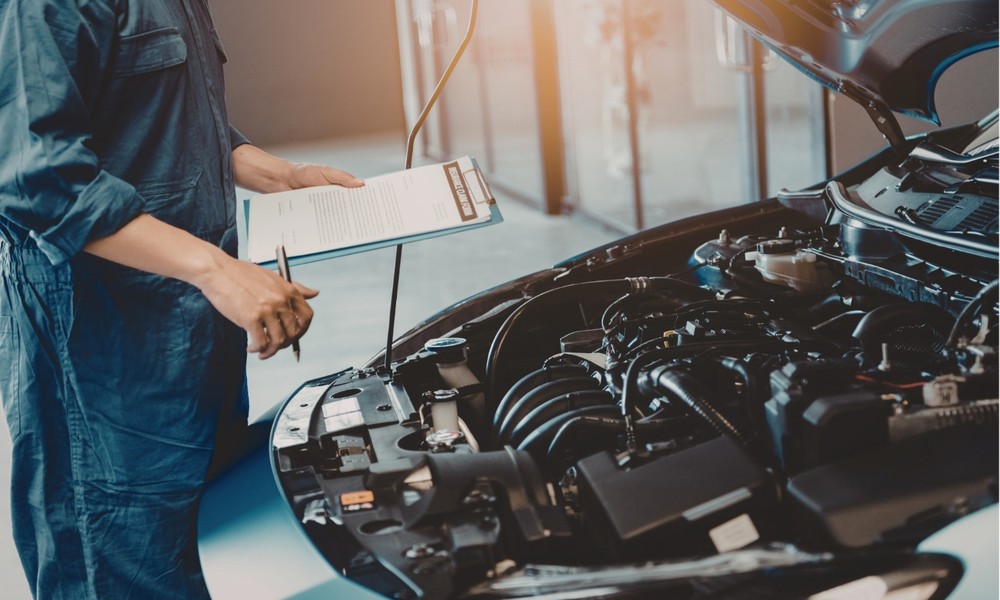
Your vehicle is one of the most important tools in your daily life. It gets you to work, to school drop-offs, to family gatherings, and everywhere in between. But unlike a smartphone or a laptop, a failing vehicle doesn’t just become inconvenient – it becomes dangerous. A car that hasn’t been properly maintained is a liability on the road, not just for the driver, but for every other person sharing that road.
The good news is that the vast majority of vehicle breakdowns and road safety incidents are preventable. Regular, proactive maintenance keeps your brakes, tires, fluids, and engine performing at the level they were designed to perform. It extends the life of your vehicle, protects your investment, and most importantly, ensures you arrive at your destination safely every single time.
Whether you drive a compact sedan, a heavy-duty pickup, or a family SUV through the highways of Middle Tennessee or anywhere across the country, this guide covers the essential car maintenance tips every driver needs to know. From oil changes and tire care to brake inspections and what to do when something goes wrong on the road, here is everything you need to stay safe behind the wheel.
Tip #1: Stay on Top of Oil Changes – Your Engine Depends on It
Engine oil is the lifeblood of your vehicle. It lubricates thousands of moving parts inside the engine, reduces friction, dissipates heat, and carries contaminants away from critical components. When oil is neglected – left in the engine too long, allowed to drop too low, or never changed at all – the consequences range from accelerated engine wear to complete engine failure.
The old standard of changing oil every 3,000 miles is outdated for most modern vehicles. Today’s synthetic and semi-synthetic oils, combined with modern engine tolerances, typically allow for oil change intervals of 5,000 to 10,000 miles depending on your vehicle’s manufacturer recommendations and your driving conditions. Check your owner’s manual for the exact specification for your make and model.
Driving conditions matter significantly when calculating your oil change schedule. Short trips, stop-and-go city driving, extreme temperatures, dusty environments, and towing heavy loads all cause oil to degrade faster than normal highway driving. If your daily routine involves these conditions, err on the side of more frequent changes rather than fewer.
Engine oil warning signs you should never ignore:
- The oil change or check engine light appears on your dashboard
- Oil level is consistently low between changes (may indicate a leak or burning oil)
- Oil appears dark black and gritty rather than amber or light brown on the dipstick
- You hear knocking or ticking sounds from the engine, especially on startup
- You notice a burning smell while driving, which can indicate oil leaking onto hot components
Checking your oil level is one of the simplest and most valuable habits any driver can develop. Pop the hood every few weeks, pull the dipstick, wipe it clean, reinsert it fully, and check the level against the markers. It takes less than two minutes and gives you real-time visibility into one of your vehicle’s most critical systems.
Tip #2: Monitor Tire Health, Pressure, and Tread Depth
Your tires are the only part of your vehicle that actually contacts the road. Every steering input, every braking force, and every acceleration force passes through four patches of rubber roughly the size of your hand. The condition of those four contact points has a direct and immediate impact on how safely your vehicle handles in all conditions.
Tire Pressure
Underinflated tires are one of the most common and dangerous conditions on the road today. They reduce fuel efficiency, cause uneven wear, and most critically, increase the risk of a blowout – particularly at highway speeds. Overinflated tires reduce the contact patch, decreasing grip and increasing the risk of losing control on wet or uneven surfaces. Check your tire pressure at least once a month and before any long trip. The correct pressure for your vehicle is listed on the sticker inside the driver’s door jamb, not on the tire sidewall itself.
Tread Depth
Tire tread is what evacuates water from beneath the tire during rain, maintaining grip on wet surfaces. Worn tread dramatically increases stopping distances and the risk of hydroplaning. The legal minimum tread depth in most states is 2/32 of an inch, but safety experts recommend replacing tires before they reach 4/32 of an inch for reliable all-weather performance. The penny test is a simple check: insert a penny into the tread groove with Lincoln’s head facing down. If you can see the top of Lincoln’s head, your tread is below 2/32 and tires should be replaced immediately.
Tire Rotation and Alignment
Tires wear at different rates depending on their position on the vehicle – front tires typically wear faster because they handle steering forces. Regular rotation, generally every 5,000 to 7,500 miles, distributes wear evenly across all four tires, extending their overall lifespan. Wheel alignment should be checked annually and whenever you notice the vehicle pulling to one side or after hitting a significant pothole or curb.
Tire safety checklist:
- Check tire pressure monthly and before long trips (use a quality gauge)
- Inspect tread depth regularly – replace before reaching the wear indicators
- Look for visible damage: cuts, bulges, cracks, or embedded objects
- Rotate tires every 5,000-7,500 miles
- Have alignment checked annually or after any significant road impact
- Inspect the spare tire periodically – ensure it’s properly inflated and serviceable
Tip #3: Inspect and Maintain Your Brakes Regularly
Your brakes are the single most important safety system on your vehicle. No other component has a more direct impact on your ability to avoid an accident in a critical moment. Yet brake maintenance is one of the areas drivers most frequently defer – often until warning signs have progressed to the point of genuinely reduced stopping performance.
Brake pads are wear items that require periodic replacement. As the friction material wears down, stopping distances increase and the risk of brake fade (reduced performance under repeated hard braking) rises. Most brake pads have a wear indicator that produces a high-pitched squealing sound when the pad material is nearing the end of its service life. That sound is not merely annoying – it is a deliberate engineering signal telling you it’s time to act.
Ignoring that squeal and continuing to drive on worn pads leads to metal-on-metal contact between the caliper and rotor. At this stage, stopping distances increase dramatically, rotor damage occurs rapidly, and what would have been a straightforward brake pad replacement becomes a far more expensive brake job involving rotor resurfacing or replacement as well.
Brake warning signs that require immediate attention:
- Squealing or squeaking sounds during normal braking
- Grinding or scraping sounds indicating metal-on-metal contact
- The vehicle pulling to one side when you apply the brakes
- A soft, spongy, or low brake pedal feel
- Vibration or pulsing through the brake pedal or steering wheel when braking
- The brake warning light illuminating on your dashboard
Brake fluid is another critical but often overlooked component. Over time, brake fluid absorbs moisture from the atmosphere, which lowers its boiling point and reduces braking effectiveness – especially under hard or prolonged braking. Most manufacturers recommend flushing and replacing brake fluid every two years regardless of mileage. Check your owner’s manual for your specific vehicle’s recommendation.
Tip #4: Keep All Fluids at Proper Levels and Condition
Modern vehicles rely on a network of specialized fluids – each engineered for a specific purpose – to keep every system operating at peak efficiency. Neglecting any one of them can cause component damage, reduced performance, or complete system failure. A proper fluid check takes less than ten minutes and should be part of every vehicle owner’s regular maintenance routine.
Coolant (Antifreeze)
Engine coolant regulates operating temperature, preventing overheating in summer and freezing in winter. Low or degraded coolant can lead to engine overheating, one of the most damaging mechanical failures a vehicle can experience. Check the coolant reservoir level and condition visually; it should appear clean (typically green, orange, or pink depending on type) and sit between the MIN and MAX markers. Coolant should be flushed and replaced according to your manufacturer’s schedule, typically every 30,000 to 50,000 miles.
Transmission Fluid
Transmission fluid lubricates the gears and components inside your transmission – one of the most expensive assemblies in your vehicle to repair or replace. Many automatic transmissions now feature sealed units without a dipstick, making professional service the only way to check condition. Manual transmissions and older automatics with dipsticks should be checked regularly. Dark, burnt-smelling fluid is a clear indicator that service is overdue.
Power Steering and Windshield Washer Fluids
Power steering fluid enables precise, effortless steering control. A leak or low level can make the vehicle harder to steer and damage the power steering pump over time. Windshield washer fluid is a straightforward but safety-critical item – in winter weather or after driving on salt-treated roads, clear visibility depends on having a functional washer system.
Keeping up with fluid maintenance is significantly easier when you have access to a professional who can come to you. For drivers across the Nashville, TN metro – including Williamson, Rutherford, Wilson, and surrounding counties – Roberts Mobile Mechanics provides comprehensive on-site automotive maintenance and repair with over 25 years of hands-on experience. Their certified mobile technicians bring professional-grade diagnostics and services directly to your driveway, workplace, or roadside location, eliminating the need for traditional shop visits entirely.
Complete vehicle fluid checklist:
- Engine oil: check monthly; change per manufacturer schedule
- Coolant: check level visually; flush per manufacturer schedule
- Brake fluid: replace every two years or per manufacturer recommendation
- Transmission fluid: service per manufacturer schedule – earlier if appearance is dark or burnt
- Power steering fluid: check level monthly; watch for signs of leaks
- Windshield washer fluid: top off as needed; use appropriate formulation for season
Tip #5: Pay Attention to Your Battery and Electrical System
A dead battery is one of the most common causes of vehicle breakdowns – and one of the most easily preventable. Modern vehicles are increasingly dependent on their electrical systems, with dozens of control modules, sensors, and comfort features drawing power continuously. An aging or underperforming battery struggles to meet those demands, especially in extreme temperatures.
Most car batteries have a service life of three to five years under normal conditions. Cold weather is particularly hard on batteries because low temperatures reduce their ability to deliver power. If your vehicle is slow to start on cold mornings, if the headlights dim noticeably during startup, or if you’ve needed a jump start recently, these are reliable indicators that your battery is approaching the end of its service life.
The alternator, which recharges the battery while the engine runs, is the other key component of the charging system. A failing alternator may allow the battery to drain even while driving, eventually leaving you stranded. Warning signs include a battery light on the dashboard, flickering interior lights, and unusual electrical behavior throughout the vehicle.
Battery and electrical maintenance tips:
- Have your battery tested annually once it passes the three-year mark
- Keep battery terminals clean and free of corrosion (white or bluish buildup)
- Avoid leaving lights, accessories, or electronics running with the engine off
- If you frequently take short trips, consider a battery maintainer for overnight use
- Have the alternator tested whenever a battery test shows charging issues
- Address any dashboard warning lights promptly – electrical faults compound quickly
Tip #6: Follow Your Vehicle’s Scheduled Maintenance Plan
Every vehicle comes with a manufacturer-recommended maintenance schedule outlined in the owner’s manual. This schedule specifies when key services – air filter replacements, spark plug changes, timing belt service, transmission service, and more – should be performed based on mileage or time intervals. Many drivers ignore this schedule entirely, viewing it as optional rather than what it actually is: the blueprint for keeping your vehicle mechanically sound for the long term.
Air filters are a particularly straightforward but impactful item. The engine air filter prevents dust, pollen, and debris from entering the engine’s intake. A clogged air filter restricts airflow, reduces engine performance, decreases fuel efficiency, and can contribute to engine wear over time. Replacement is typically required every 15,000 to 30,000 miles but varies based on driving conditions – dusty environments require more frequent replacement.
Spark plugs ignite the air-fuel mixture inside each cylinder. Worn spark plugs cause misfires, reduced power, poor fuel economy, and difficult starting. Modern iridium or platinum spark plugs can last 60,000 to 100,000 miles, but conventional copper plugs require replacement every 30,000 miles. Following the manufacturer’s interval prevents gradual performance degradation that many drivers accept as normal aging but is actually entirely preventable.
Scheduled maintenance items drivers commonly overlook:
- Engine air filter: every 15,000-30,000 miles or as conditions require
- Cabin air filter: every 15,000-25,000 miles (affects HVAC performance and interior air quality)
- Spark plugs: per manufacturer schedule based on plug type
- Timing belt (where applicable): critical – failure causes severe engine damage
- Drive belts and hoses: inspect for cracks, fraying, or deterioration annually
- Differential and transfer case fluid: per manufacturer schedule on AWD/4WD vehicles
A well-followed maintenance schedule is the single most effective thing you can do to maximize the lifespan of your vehicle, maintain its resale value, and avoid the unexpected repair bills that come from deferred care.
Tip #7: Know What to Do When Your Vehicle Breaks Down
Even the best-maintained vehicles occasionally break down. A blown tire, a failing alternator, an overheated engine, or an unexpected mechanical failure can leave you stranded on the side of the road – sometimes in difficult or dangerous conditions. Knowing exactly what to do in those moments reduces stress, improves safety, and gets you back on the road faster.
The first priority when a vehicle begins to show signs of trouble – warning lights, unusual sounds, loss of power, or steering changes – is to get safely off the road as quickly as possible. Activate your hazard lights immediately. Steer toward the right shoulder, a parking lot, or any safe pull-off area. Never stop in a travel lane if it can be avoided. Once stopped, leave your hazard lights running and – if it’s safe to do so – place road flares or reflective triangles behind the vehicle.
Stay inside the vehicle with your seatbelt fastened if you’re on a high-speed road. Standing outside a vehicle on a freeway shoulder is significantly more dangerous than remaining inside. Call for assistance from inside the vehicle.
For drivers in Lebanon, TN and the surrounding Wilson County area, having a trusted local towing service already saved in your phone is essential preparedness. BNI Towing provides 24/7 towing and recovery services throughout Lebanon, TN with fast response times, licensed operators, and affordable rates. When your vehicle can’t be repaired on the spot, having a reliable tow to a trusted mechanic is the next best outcome.
Roadside breakdown safety protocol:
- Activate hazard lights immediately when trouble begins
- Move off the road as safely and quickly as possible
- Stay inside the vehicle with seatbelt on if on a high-speed road
- Deploy road flares or reflective triangles if you have them
- Call for roadside assistance or towing – do not attempt unsafe roadside repairs
- If you must exit the vehicle, do so away from traffic and move well clear of the roadway
Tip #8: Perform Seasonal Maintenance Before Conditions Change
Tennessee drivers know firsthand that weather conditions can shift dramatically between seasons. Summer heat stresses cooling systems, tires, and air conditioning. Winter cold challenges batteries, tires, and starting systems. Preparing your vehicle before each seasonal transition is one of the smartest maintenance habits you can build.
Before Summer
Have your cooling system inspected – check coolant level, condition, hoses, and the radiator cap. Test your air conditioning system before the first heat wave. Inspect tires for pressure and tread, as heat causes air to expand and can exacerbate pre-existing tire issues. Check your wiper blades and ensure your washer fluid reservoir is full.
Before Winter
Have your battery load-tested before temperatures drop. Switch to a winter-grade or all-season windshield washer fluid. Inspect your tire tread carefully – summer tires perform poorly in cold, wet, or snowy conditions. Check antifreeze concentration to ensure proper freeze protection. Inspect all lights, as shorter days mean you’ll be driving in darkness more frequently.
Seasonal maintenance checklist:
- Spring/Summer: cooling system, A/C, tire pressure, wiper blades
- Fall/Winter: battery, antifreeze, tire tread, windshield washer fluid, lights
- Year-round: oil level, brake function, tire pressure, fluid levels
Conclusion: Maintenance Today Prevents Emergencies Tomorrow
Vehicle maintenance is not a burden – it is an investment. Every oil change, tire rotation, brake inspection, and fluid check is a small, low-cost action that prevents large, high-cost failures. The drivers who build consistent maintenance habits are the ones who rarely find themselves stranded on the side of the road, facing unexpected repair bills, or – most critically – dealing with the consequences of equipment failures at highway speed.
Pay attention to your vehicle’s signals. Dashboard warning lights are not suggestions – they are your vehicle’s communication system telling you that something needs attention. Unusual sounds, changes in handling, changes in fuel consumption, and changes in how the vehicle starts are all meaningful data points. Address them promptly rather than hoping they resolve on their own.
For Nashville, TN area drivers who want professional maintenance and repair without the hassle of a traditional shop, Roberts Mobile Mechanics brings certified, on-site automotive service directly to your home, office, or roadside location throughout Davidson, Williamson, Rutherford, Wilson, and surrounding counties. With over 25 years of experience and a commitment to transparent, quality workmanship, they represent exactly the kind of trusted local resource every vehicle owner should have on hand.
And when the unexpected does happen – when a breakdown occurs despite your best maintenance efforts – having a reliable towing partner ready matters. BNI Towing in Lebanon, TN is available 24 hours a day, 7 days a week, with fast response times and licensed operators who treat your vehicle with care. Because even the best-prepared drivers sometimes need a helping hand on the road.
Stay proactive. Stay safe. And take care of your vehicle before it needs to ask you to.
Frequently Asked Questions (FAQ)
Q1: How often should I really get my oil changed?
It depends on your vehicle and the type of oil you use. Conventional oil typically requires changing every 3,000 to 5,000 miles. Full synthetic oil can last 7,500 to 10,000 miles or more under normal driving conditions. Always refer to your owner’s manual for your vehicle’s specific recommendation, and reduce the interval if you frequently drive in severe conditions such as extreme temperatures, dusty environments, frequent short trips, or towing. When in doubt, changing slightly more frequently than necessary is far less costly than the engine damage caused by excessively dirty or depleted oil.
Q2: How do I know when my brakes need to be replaced?
The most common early warning sign is a high-pitched squealing or squeaking sound when you apply the brakes – this is the built-in wear indicator on the brake pad making contact with the rotor. A grinding or scraping sound indicates the pad material is fully worn and metal-to-metal contact is occurring, which requires immediate attention. Other signs include the vehicle pulling to one side during braking, a soft or spongy pedal feel, vibration through the pedal or steering wheel, and the brake warning light on your dashboard. If you experience any of these, have your brakes inspected by a professional promptly.
Q3: Can I check my own tire pressure, and how do I do it?
Yes, and it’s one of the simplest and most valuable maintenance tasks you can do yourself. You’ll need a tire pressure gauge, available at any auto parts store for just a few dollars. Check pressure when the tires are cold – before driving or after the vehicle has been parked for at least three hours. Remove the valve stem cap from the tire, press the gauge firmly onto the valve stem, and read the pressure. Compare it to the recommended pressure on the sticker inside the driver’s door jamb (not the number on the tire sidewall, which is the maximum pressure, not the target). Add air at a gas station compressor or a portable inflator until you reach the correct pressure.
Q4: What does it mean if my check engine light comes on?
The check engine light (CEL) is triggered by the vehicle’s onboard diagnostic system (OBD-II) when it detects a fault in one of hundreds of monitored systems. It can indicate anything from a loose gas cap to a misfiring cylinder to a failing catalytic converter. A steadily illuminated CEL generally indicates an issue that should be diagnosed and addressed soon but doesn’t necessarily require pulling over immediately. A flashing check engine light is more serious – it typically indicates an active misfire that can damage the catalytic converter and warrants stopping driving as soon as it is safe to do so. In either case, have the vehicle scanned for diagnostic trouble codes by a qualified mechanic as soon as possible.
Q5: How long does a car battery typically last?
Most car batteries have a service life of three to five years under normal conditions. Extreme climates – both very hot and very cold – can shorten battery life significantly. Frequent short trips that don’t allow the battery to fully recharge, leaving accessories running with the engine off, and extended periods of vehicle inactivity can also reduce battery lifespan. If your battery is approaching three years old, it’s worth having it load-tested at an auto parts store or during a service appointment. Many stores will test it for free. Replacing a battery before it fails is far less disruptive than being stranded with a dead battery.
Q6: What should I keep in my car for roadside emergencies?
Every vehicle should have a basic emergency kit that includes jumper cables or a portable jump starter, a tire inflator or portable air compressor, a reflective warning triangle or road flares, a basic tool kit, a flashlight with extra batteries, a first aid kit, a blanket, and bottled water. A phone charger – either a car charger or a portable power bank – is also essential. In winter, add an ice scraper, small shovel, and sand or kitty litter for traction. Having the contact information for a trusted towing service and roadside assistance program pre-saved in your phone rounds out a comprehensive emergency preparedness plan.
Q7: Is it worth using a mobile mechanic instead of a traditional auto shop?
For many types of repairs and maintenance, a mobile mechanic offers significant advantages. Mobile mechanics typically have lower overhead than traditional shops, which can translate into competitive pricing. They come to your location – saving you the time and cost of arranging transportation while your vehicle is being serviced. They’re particularly well-suited for diagnostics, brake work, battery replacements, oil changes, fluid services, alternator and starter repairs, and a wide range of other common mechanical needs. The key is choosing a mobile mechanic who is properly licensed, insured, and experienced. For routine maintenance and most common repairs, a reputable mobile mechanic is a genuinely convenient and cost-effective alternative to the traditional shop model.
Q8: How can I improve my vehicle’s fuel efficiency through maintenance?
Several maintenance items have a direct and measurable impact on fuel economy. Properly inflated tires reduce rolling resistance – underinflated tires can decrease fuel efficiency by up to 3% per pound of pressure below recommendation. A clean engine air filter ensures the engine receives adequate airflow for efficient combustion. Fresh spark plugs that fire correctly improve combustion efficiency. Clean fuel injectors deliver fuel more precisely. Fresh engine oil with the correct viscosity reduces internal friction. Addressing any active check engine codes also frequently improves economy, as many fault conditions cause the engine to run in a less efficient protective mode. Together, these maintenance items can restore several miles per gallon in a vehicle that has been allowed to fall behind on service.
