
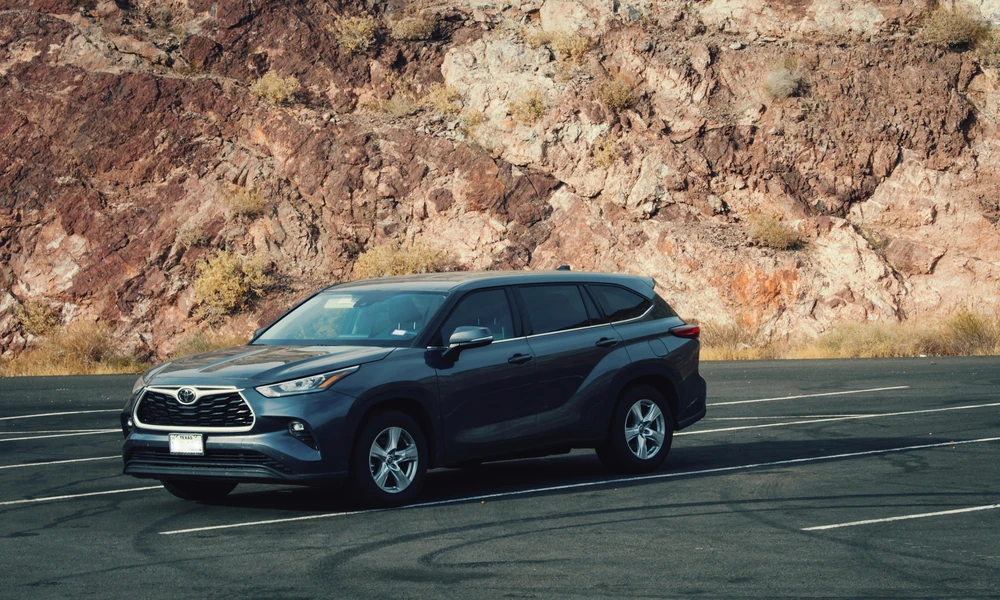
Roughly six months before your SUV lease ends, your leasing company already has access to information you might not: current used car market data that determines whether buying your vehicle or walking away is the smarter move. The key to your decision will usually come down to one difference: your car’s predetermined residual value compared to its actual value at the time.
Assuming that your SUV lease is coming to an end and you’re confused about the next step, here are some things to know in brief. Once an SUV lease expires, there are essentially three options available to the lessee – return the SUV to the leasing company, purchase the vehicle at a predetermined price, or exchange it towards a new lease/purchase arrangement at Toyota of Boerne in San Antonio. All three options entail certain expenses, formalities, and timelines which depend upon your particular situation .
Your Three Main Options
Return the Vehicle
It’s the easiest way to go about it. You have your vehicle inspected, turn over the keys, and cover any additional mileage or damage beyond the usual wear and tear. Leasing companies are usually forgiving of minor scratches but anything more than that – broken glass, worn tires, soiled seats – is likely to cost you.
Buy the SUV
Your contract set a fixed purchase price – the residual value – back when you signed the lease. If your SUV’s market value has climbed above that number, buying it out can be a strong financial move. It’s not unusual for lessees to end up buying their vehicle for several thousand dollars below what it would cost on the open market, simply because used car prices rose faster than the leasing company anticipated.
Trade It In
Some dealerships will pay off your lease directly and roll any equity into a new vehicle purchase. This is a convenient option if you want to move into another SUV without dealing with the return process yourself – just make sure you get a written payoff quote before committing.
How to Decide Which Option Fits You
- Return makes sense if the residual value is close to or higher than market value, or if you’re ready to move on to a different vehicle altogether.
- Buyout makes sense if market value is higher than your residual price, or if you like the SUV and it’s held up mechanically.
- Trade-in is sensible if you are concerned about convenience and are planning on leasing or financing another vehicle immediately.
Before deciding, double-check your mileage allowance. Exceeding it by just a couple thousand miles can tack on a few hundred dollars in fees – enough to shift the math on whether a buyout still makes sense.
The Step Most People Skip
Get an independent appraisal before making any decision – don’t rely solely on a number from the leasing company. Tools like Kelley Blue Book or Edmunds can show you a realistic market value in just a few minutes, and comparing that figure to your buyout price is one of the most useful things you can do before deciding. Used SUV prices have generally stayed higher than pre-2020 levels, so more lessees than in past years are finding that a buyout actually makes financial sense.
One thing dealers rarely mention on their own: buyout prices can sometimes be negotiated, particularly if there’s visible wear the leasing company hasn’t documented yet. It is not guaranteed, but it has worked for some people who pointed out the cosmetic imperfections prior to the inspection.
FAQ
What happens if I don’t take any action when my lease ends?
In most cases, the lease automatically defaults to a return, which may come with a disposition fee plus charges for excess wear or mileage.It’s always better to act proactively before the deadline hits you.
Can I extend my lease instead of returning the car right away?
Many leasing companies offer month-to-month extensions at your existing payment rate, which buys you time if you’re not ready to decide.
Is it ever a bad idea to buy out a lease?
Yes. If the residual value is higher than the current market value, or the vehicle has known mechanical problems, returning it is typically the better financial call.
Final Takeaway
The end of an SUV lease should not be hard to figure out as long as you know the math. Determine whether your residual value is higher than the current market value; evaluate your mileage and condition according to your contract and decide whether you will be better off returning, purchasing or trading in your vehicle at Toyota of Boerne in San Antonio. It will be much easier to do this at least 90 days in advance of the lease’s end rather than at the last moment.
