
Key Takeaways
A commercial truck collision can quickly disrupt deliveries, schedules, revenue, and overall fleet operations. Getting the vehicle back on the road safely requires more than simply fixing visible damage. Fleet operators need a clear recovery process that addresses inspections, insurance claims, structural repairs, parts availability, and post-repair checks.
Working with an experienced commercial truck collision repair provider can help businesses coordinate these steps and reduce unnecessary delays.
Report the collision to the appropriate parties and communicate promptly with the repair facility and insurer.
Have the truck thoroughly inspected for structural, mechanical, and safety-related damage.
Prioritize critical repairs over cosmetic work when determining what needs immediate attention.
Choose a repair facility with experience handling commercial trucks and the equipment required for the vehicle.
Understand how parts availability, damage severity, vehicle age, and repair complexity can affect turnaround time.
Use proper diagnostics and specialized equipment to improve repair accuracy.
Complete post-repair inspections before returning the truck to regular commercial operation.
Start With a Fast and Thorough Damage Assessment
The first step toward a quick recovery is determining exactly what happened to the truck.
Visible damage doesn’t always reveal the full extent of a collision. A truck may have damage to its frame, suspension, steering components, braking systems, electrical systems, or other components that aren’t immediately noticeable.
A professional inspection should therefore go beyond dents and exterior damage.
Prioritize Structural and Safety-Related Damage
Experts generally recommend addressing structural and safety concerns before cosmetic repairs.
Important areas to inspect include:
- Frame alignment and structural components
- Steering and suspension systems
- Brakes and braking components
- Tires and wheels
- Lighting and electrical systems
- Safety equipment and driver-assistance systems
- Engine and drivetrain components
A detailed assessment helps identify repairs that are necessary before the truck can safely return to service.
Document the Damage
Photos, inspection reports, telematics information, and maintenance records can provide useful documentation following a collision.
Maintaining detailed records can also make communication with insurers and repair facilities more efficient.
Communicate Quickly With Your Repair Facility and Insurer
Communication is another important part of a fast recovery.
Once a collision occurs, fleet managers should notify the appropriate parties as soon as possible. Delays in reporting or providing documentation can slow down the claims and repair process.
Coordinate the Repair Process Early
Fleet operators should establish clear communication with the repair facility regarding:
- The extent of the damage
- Insurance requirements
- Parts availability
- Estimated repair stages
- Expected downtime
- Additional damage discovered during repairs
Having one designated contact at the repair facility can make it easier to receive updates and resolve questions quickly.
Keep Everyone on the Same Page
Insurance representatives, fleet managers, drivers, and repair technicians may all have different responsibilities during the recovery process.
Clear communication helps ensure that information about the truck’s condition and required repairs is shared accurately.
This can reduce unnecessary back-and-forth and help the repair process move forward efficiently.
Choose a Repair Facility Experienced With Commercial Trucks
Not every collision repair facility is equipped to handle large commercial vehicles.
Commercial trucks can have different dimensions, structural designs, components, and repair requirements compared with passenger vehicles. Choosing a facility with appropriate experience and equipment can therefore be an important part of the recovery process.
What Should Fleet Operators Look For?
When evaluating a repair facility, consider:
- Experience repairing commercial trucks
- Qualified and experienced technicians
- Appropriate diagnostic and repair equipment
- Availability of replacement parts
- Facility capacity for larger vehicles
- Transparent communication
- Experience working with commercial insurance claims
Reviews and recommendations from other fleet operators can also provide useful information when comparing facilities.
Consider the Facility’s Equipment
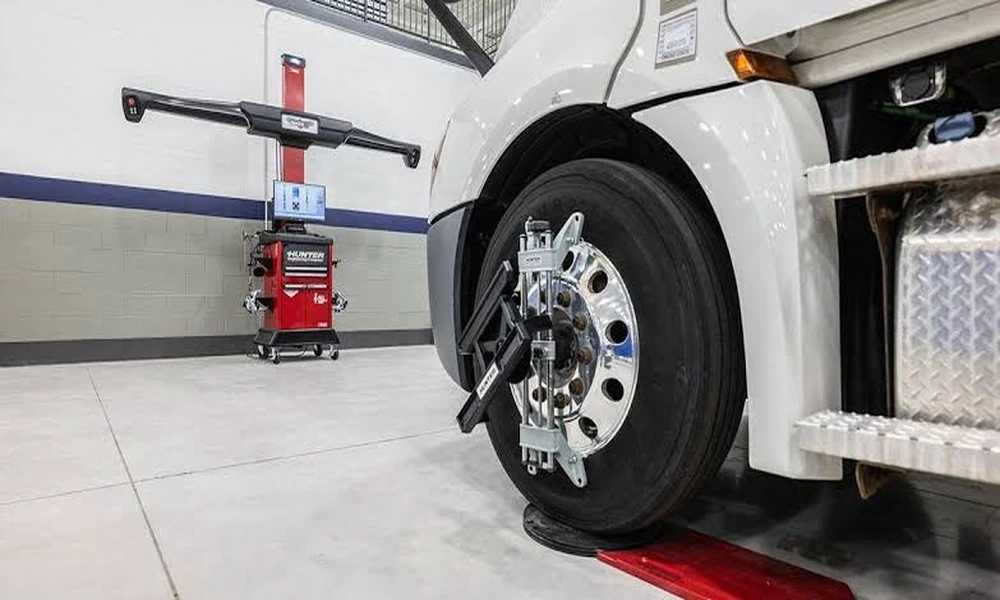
Commercial truck repairs may require specialized equipment for frame measurements, alignment, diagnostics, painting, and mechanical work.
Before authorizing major repairs, ask whether the facility has the equipment necessary for your particular truck.
Address Critical Repairs Before Cosmetic Work
A damaged truck may have obvious exterior issues, but appearance should not be the only consideration.
For a quick and safe recovery, repairs affecting structural integrity, braking, steering, suspension, and other critical systems generally deserve priority.
Why Structural Repairs Matter
Even damage that looks relatively minor can potentially affect how a commercial truck handles or operates.
For example, an improperly aligned frame can contribute to uneven tire wear, handling problems, and additional component stress.
A comprehensive inspection helps technicians determine whether structural repairs are required.
Don’t Ignore Hidden Damage
Some collision-related problems may only become noticeable when the truck is inspected or operated.
Potential warning signs after a collision include:
- Unusual vibrations
- Steering changes
- Uneven tire wear
- Unusual noises
- Warning lights
- Reduced braking performance
- Changes in fuel consumption
Any new or unusual behavior should be investigated before the vehicle returns to regular service.
Understand What Affects Repair Time and Cost
Quick recovery also requires realistic expectations about how long repairs will take.
The repair timeline can vary significantly depending on the vehicle and the extent of the collision.
Factors That Can Affect Turnaround Time
Common factors include:
- Severity of the damage
- Availability of replacement parts
- Vehicle age and model
- Structural repair requirements
- Mechanical or electrical damage
- Insurance approval
- Repair facility workload
- Specialized equipment requirements
Parts availability can be particularly important. If a necessary component is difficult to obtain, the truck may remain out of service while waiting for delivery.
Get a Clear Repair Estimate
Fleet managers should ask the repair facility for an estimate that explains the expected work and potential variables.
If additional damage is discovered after disassembly, the repair timeline or cost may change.
Understanding this possibility early can make fleet planning easier.
Use Advanced Diagnostics to Improve Repair Accuracy
Modern commercial trucks can contain complex mechanical, electrical, and electronic systems.
Advanced diagnostic equipment can help technicians identify problems that may not be visible during a standard visual inspection.
Technology Can Support Faster Repairs
Depending on the truck and repair facility, technology may include:
- Electronic diagnostic scanners
- Digital frame measurement systems
- 3D scanning equipment
- Advanced alignment systems
- Electronic calibration tools
- Digital repair documentation
These technologies can help technicians obtain more precise information about the vehicle’s condition.
However, technology is most effective when combined with qualified technicians who understand how to interpret diagnostic information and complete the necessary repairs.
Complete a Post-Repair Inspection Before Returning the Truck to Service
Finishing the repair doesn’t necessarily mean the recovery process is complete.
Before returning a commercial truck to normal operations, fleet managers should confirm that the required repairs have been completed and that the vehicle is operating properly.
Verify the Completed Repairs
Ask the repair facility to provide documentation showing:
- Repairs performed
- Parts replaced
- Diagnostic procedures completed
- Alignment or structural measurements where applicable
- Additional work identified during the repair
- Recommended follow-up maintenance
A final inspection can help identify unresolved issues before the truck returns to regular commercial use.
Monitor the Truck After Repairs
Drivers should remain alert for changes in handling, braking, steering, vibrations, warning lights, or other unusual behavior.
If something doesn’t seem right after the repair, the vehicle should be inspected again rather than allowing a potentially unresolved problem to develop further.
How to Reduce Future Commercial Truck Downtime
Collision recovery is only one part of effective fleet management. Preventive maintenance can help reduce the likelihood of mechanical problems that contribute to additional downtime.
Regularly inspect:
- Tires and tire pressure
- Braking systems
- Lights
- Steering and suspension
- Fluid levels
- Alignment
- Electrical systems
Fleet operators should also maintain accurate service records so technicians can quickly understand the vehicle’s maintenance history.
Driver training can complement these efforts by helping operators recognize warning signs and report problems before they become more serious.
Final Thoughts
Recovering from a commercial truck collision requires more than repairing visible damage. A fast recovery depends on early assessment, clear communication, experienced technicians, proper prioritization of repairs, parts planning, advanced diagnostics, and thorough post-repair inspections.
Fleet operators can reduce unnecessary delays by preparing a recovery process before an accident occurs. Maintaining current vehicle records, identifying qualified repair facilities, and establishing clear communication procedures can make the process more organized when a collision happens.
Most importantly, speed should not come at the expense of repair quality or vehicle safety. The goal is to return the truck to service efficiently while ensuring that necessary structural, mechanical, and safety-related repairs have been properly addressed.
FAQ
How quickly should a commercial truck be inspected after a collision?
A commercial truck should be assessed as soon as reasonably possible after a collision. A prompt inspection can help identify visible and hidden damage and determine which repairs are necessary before the vehicle returns to service.
What should be checked after a commercial truck collision?
The inspection should consider structural components, frame alignment, steering, suspension, brakes, tires, electrical systems, safety equipment, and other systems potentially affected by the collision.
How can fleet operators speed up the repair process?
Prompt communication, complete documentation, early insurance reporting, choosing an experienced commercial truck repair facility, and confirming parts availability can help reduce unnecessary delays.
Why is specialized commercial truck repair experience important?
Commercial trucks can have different structural and mechanical requirements from passenger vehicles. A facility with appropriate commercial truck experience and equipment may be better prepared to diagnose and repair those systems.
What can cause commercial truck repair delays?
Common factors include extensive damage, unavailable parts, insurance approval, complex structural or mechanical repairs, vehicle age, and repair facility capacity.
Should cosmetic repairs be completed immediately?
Cosmetic repairs may be addressed as part of the overall repair process, but structural and safety-related issues generally need to be evaluated and addressed first.
How do advanced diagnostic tools help with collision repairs?
Diagnostic equipment can help technicians identify electronic, mechanical, and other problems that may not be apparent through a visual inspection. This can support more accurate repairs.
What should fleet managers do after a truck is repaired?
Fleet managers should review the completed repair documentation, verify that required repairs were performed, conduct appropriate inspections, and monitor the vehicle for unusual behavior before and after returning it to normal operations.
