
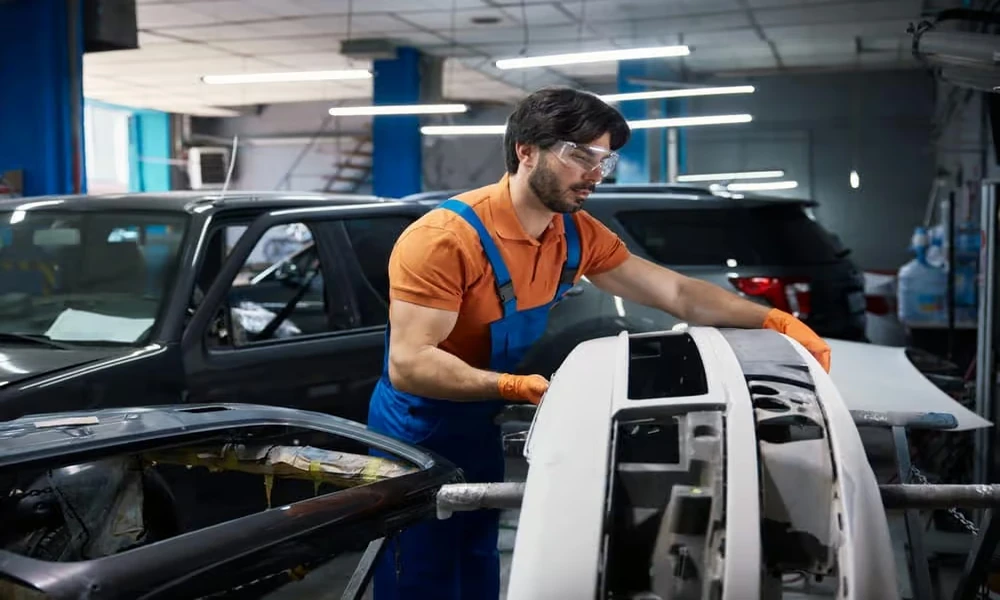
Not all damaged vehicles proceed directly from being towed to painting. In between these two steps, specialists have to figure out how the vehicle got damaged, which parts need fixing or replacement, and whether all important systems operate properly.
This process may involve measurements, diagnostics, manufacturer’s procedures, and final inspection. A professional collision center like https://www.bobjohnsontoyota.com/collision-center.htm can assist you in managing these stages.
1. Towing and Vehicle Intake Come First
The repair process starts once the vehicle comes to your facility. Specialists have to record its condition and listen to the problems described by the owner. Photos, visible damages, warning messages, and other information can be used to define the initial situation for repair.
Towing is not just moving the vehicle. Badly damaged cars may have compromised wheels, suspension components, fluids, and other important elements. Bringing it to the repair shop is essential to avoid unnecessary risks and get a detailed analysis of the problem.
2. The First Inspection Looks Beyond Visible Damage
Visible problems like a dented bumper or crushed fender may represent only the tip of the iceberg. Forces applied in a collision impact can affect hidden elements including mounting points, wiring, sensors, and structural parts.
This is why sometimes technicians have to remove the damaged components for a complete picture. I-CAR claims that collision diagnostics include not only visible damage but also faults that cannot be revealed during the visual inspection.
For instance, a vehicle arrives with a damaged front bumper that works fine and drives normally. Once the bumper is removed, it is possible to find damage affecting a sensor mounting area or any other component under the bumper.
3. The Repair Plan Determines What Happens Next
When the damage is identified, it is possible to decide whether components can be restored or replaced. This step should be guided by the condition of the car and manufacturer’s repair information, and not just by the appearance.
The repair plan may include:
- Body panel repair or replacement
- Structural measurement or repair when required
- Mechanical or electrical repairs
- Safety-system inspection
- Diagnostic scanning
- Calibration or initialization where specified
I-CAR advises repair professionals to use OEM information when determining scanning, calibration, and repair requirements.
4. Structural and Body Repairs Restore More Than Appearance
Bodywork is not only about making damaged panels look straight. If a collision affects the vehicle’s structure, technicians may need to measure and restore the relevant areas according to approved procedures.
The same applies to panel alignment, panel joining, protection from corrosion, and components installation. Thus, a vehicle can look as if it was fully repaired without actually having undergone any additional repairs underneath.
That is why structural integrity and correct repair methods are equally important to the quality of a paint job.
5. Modern Vehicles Also Need Electronic Checks
Modern cars may also have electronic safety systems like cameras, radar, sensors, and others that are not included in old collision repair processes. NHTSA names automatic emergency braking, lane departure warning, blind-spot warning, and rear cross-traffic warning as examples of modern driver assistance features.
This is why the collision repair process includes pre-repair and post-repair diagnostic scans. As noted by I-CAR, not all faults generate a warning signal, while post-repair scanning confirms that diagnostic trouble codes are cleared.
Calibration may also be necessary after some repairs or if some sensors, cameras, or their installation areas are affected. This will depend on the car and the procedures of the manufacturer.
6. Reassembly and Refinishing: Complete the Physical Repair
After repairs to the vehicle structure and its components are completed, the car comes to the stage of reassembly and refinishing. Technicians install car panels, lights, trims, glass, and other parts where they need to be installed.
Paint and finishing work must also match the repaired areas with the surrounding vehicle. Panel gaps, closures, lights, and other visible details are checked rather than assuming that a completed paint job means the repair is finished.
7. Final Inspection Verifies the Repair
The last stage is not simply handing back the keys. The completed vehicle should undergo appropriate quality checks based on the repairs performed.
These may include:
- Checking panel alignment and finish
- Confirming component operation
- Performing required post-repair scans
- Completing required calibration or initialization
- Checking safety-related systems
- Conducting a road test when appropriate
A collision center’s role extends through this verification stage. For example, professional collision repair and final inspection from bobjohnsontoyota.com/collision-center.htm are part of the broader process of restoring a vehicle after an accident.
What a Proper Collision Repair Process Should Achieve
A good repair process goes beyond the visible damage on a vehicle. It needs to consider structural factors, components, electricals, safety measures, and other factors relevant to the vehicle manufacture.
Each process, from towing and intake to the final inspection, is dependent upon the previous. Instead of ensuring that the vehicle looks good again, the objective should be confirming that the work needed has been done correctly and the vehicle can move forward.
