
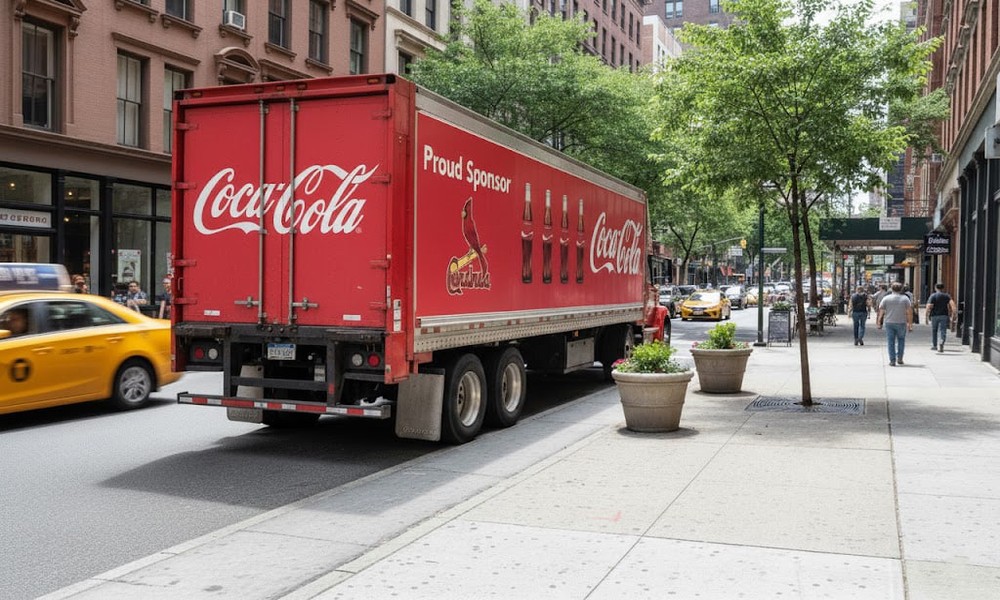
Background of the fleet branding challenge
A regional logistics company operating a mixed fleet faced inconsistency in vehicle appearance. While performance and delivery efficiency were strong, the visual identity of the fleet varied across trucks. This created a fragmented brand presence on the road, making it harder for customers to immediately recognize company vehicles in transit or at delivery points.
Identifying the importance of visual consistency
The management team realized that branding was not only about logos and paint schemes but also about smaller visual details. Elements such as wheel appearance, trim uniformity, and exterior finishing all contributed to how professional the fleet looked. Inconsistent wheel styling across vehicles was one of the key issues affecting overall brand perception.
Strategy for standardized exterior upgrades
To address this, the company introduced a standardized exterior upgrade program across all vehicles. The focus was on creating a unified visual identity through consistent design elements that could be applied regardless of vehicle model. This included wheel styling components, protective finishes, and uniform detailing across all fleet units.
Implementation across different vehicle models
Since the fleet included multiple manufacturers and truck types, compatibility was a major consideration. The solution needed to be adaptable while still maintaining a consistent look. In this phase, DODGE WHEEL SIMULATORS were selected for specific vehicle segments because they allowed a uniform wheel appearance while fitting securely across designated models within the fleet structure.
Impact on brand recognition
After implementation, the company observed a noticeable improvement in brand visibility. Vehicles were more easily identifiable on highways and in urban areas. Customers began associating the consistent visual appearance with reliability and professionalism, strengthening brand recall without additional advertising investment.
Operational benefits beyond aesthetics
The upgrade also had indirect operational advantages. Standardized components simplified maintenance procedures, as technicians were able to follow consistent inspection routines across vehicles. Cleaning processes became more efficient due to uniform surface designs, reducing overall maintenance time.
Employee and driver feedback
Drivers reported a stronger sense of pride in operating vehicles that looked uniform and well-maintained. This contributed to improved care of vehicles and more attention to external cleanliness. A consistent fleet appearance also reinforced internal discipline and operational standards.
Long-term branding value
Over time, the company found that visual consistency became a key part of its market identity. The fleet itself acted as a mobile branding asset, reinforcing company presence in every region it operated. This demonstrated how exterior design alignment can support both marketing and operational goals in a practical and sustainable way.
