
A healthy engine usually produces invisible gas, but sometimes white smoke appears with a sweet scent. The sweet odor coming from the exhaust pipe indicates internal fluid issues. Auto Repair in Garden City, GA service provides expert engine diagnostics to locate these sudden hidden mechanical problems. Drivers must pay close attention when unusual sugary smells emerge from their vehicle pipes.
The Chemistry Behind The Sugary Scent
Engine coolant contains ethylene glycol which generates a distinctly sugary aroma when heated strongly. The cooling liquid flows through dedicated internal engine passages to keep metal temperature low. But the fluid is never supposed to enter the central combustion chamber. Sometimes the liquid slips past worn engine seals and mixes with hot fuel.
Now the chemical compound burns along with gasoline inside the roaring engine cylinder. The extreme combustion heat changes liquid coolant into thick white airborne exhaust steam. So the distinct maple syrup scent begins pouring out from the rear pipe. Professional mechanics at Auto Intensive Care can identify this internal leak before severe damage happens.
The Role Of A Damaged Head Gasket
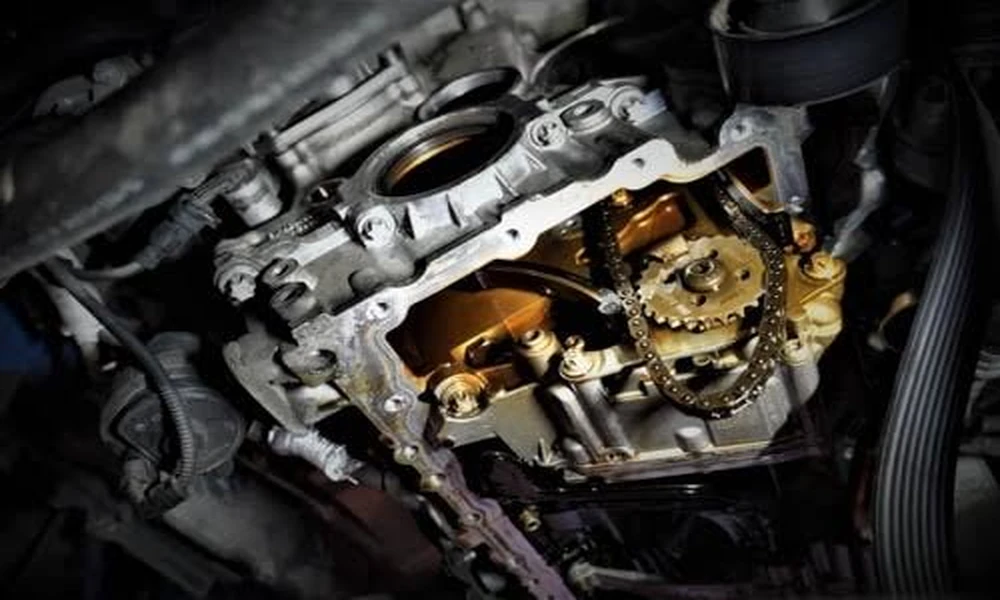
The critical head gasket sits firmly between the engine block and cylinder head. The strong seal holds intense combustion pressure inside while keeping fluid channels completely separate. But age and extreme engine heat can warp or crack this crucial component. A blown head gasket allows pressurized coolant to leak right into the combustion chamber.
Sometimes small cracks expand as the metal engine heats up during long trips. The burning coolant then creates a continuous sweet scent in the heavy exhaust plume. The driver will notice the temperature gauge rising quickly on the dashboard screen. Seeking help from Auto Intensive Care prevents complete engine destruction caused by severe fluid loss.
Consequences Of Ignoring Sweet Exhaust Smoke
Ignoring sweet exhaust smoke leads to severe financial and mechanical consequences for vehicle owners. Operating an engine without proper coolant levels causes extreme metal friction and warping. The internal engine components will overheat and melt together in a short time. You must fix tiny leaks immediately to avoid buying a whole new engine.
Cracked Cylinder Heads And Engine Blocks
Engine overheating causes metal parts to expand beyond their normal physical operating limits. The intense stress creates tiny fracture lines inside heavy cast iron or aluminum blocks. But internal cracks also allow liquid coolant to seep directly into active cylinders. The burning fluid produces thick white clouds that smell like burnt candy syrup.
Now small cracks can grow larger under constant heavy engine pressure over time. The engine will start misfiring because liquid coolant fouls the delicate spark plugs. So driving with cracked engine components leads to complete mechanical failure very quickly. A complete inspection by Auto Intensive Care will reveal hidden cracks inside the engine block.
