
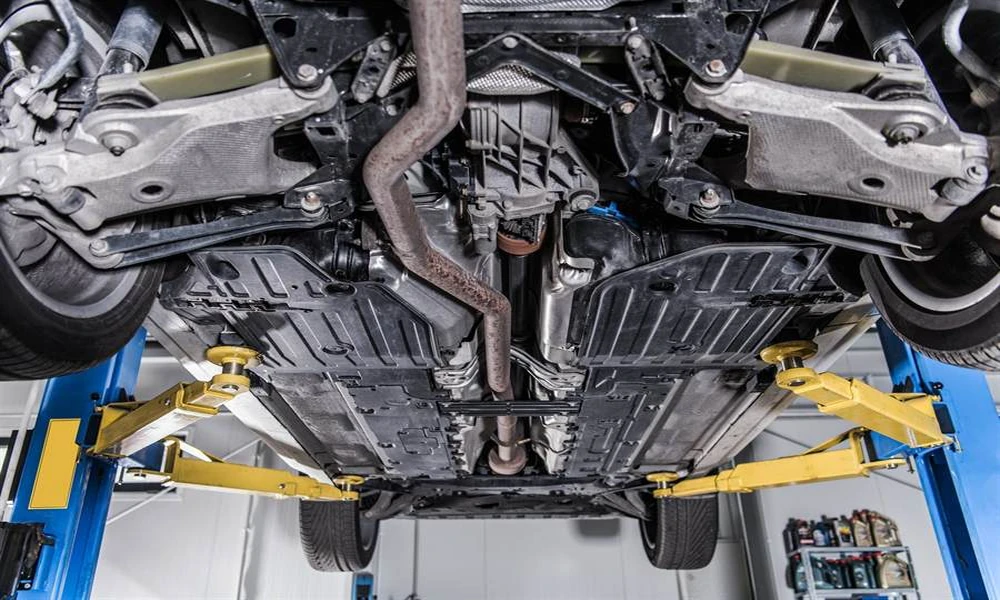
The car fluid condition can reveal important clues about internal transmission performance. When shifting problems appear, technicians often inspect the fluid before deeper mechanical testing. Now fluid color, smell, texture and contamination can indicate developing transmission concerns. This inspection can help identify problems before serious internal damage becomes expensive. So transmission fluid becomes an important diagnostic tool during professional vehicle inspections.
Fluid Color Can Reveal Transmission Problems
Fresh transmission fluid usually has a clean appearance and consistent condition. Over time the fluid can become darker through heat and normal operation. Excessive darkening may indicate prolonged exposure to high operating temperatures. Burnt fluid can suggest friction material deterioration or excessive internal heat. However fluid color alone cannot confirm a specific transmission fault. Technicians combine visual observations with other diagnostic findings for accurate conclusions.
Reliable Auto Repair in Pueblo, CO service can also help investigate persistent shifting concerns professionally. Early inspection may identify fluid related problems before they develop into severe failures. So regular transmission maintenance remains important for dependable shifting performance.
Fluid Smell Can Indicate Excessive Heat
A burnt odor does not always identify the exact source of transmission trouble. Several mechanical or hydraulic conditions can generate excessive internal heat. Blocked cooling passages may increase transmission temperatures during demanding driving conditions. Low fluid levels can also reduce lubrication and contribute to additional heat. So technicians normally combine fluid inspection with pressure and operational testing.
Contamination Can Point toward Internal Wear
Clutch material within the fluid can also provide valuable information during inspection. Excessive friction material may indicate internal clutch deterioration or repeated slipping. This information helps technicians understand shifting symptoms more accurately. Mueller’s Auto can evaluate transmission fluid condition alongside other relevant diagnostic findings. Professional assessment can prevent incorrect conclusions based only on shifting symptoms.
Fluid Level and Condition Affect Hydraulic Operation
Transmission fluid performs more than a lubrication function inside automatic transmissions. Proper fluid levels support hydraulic pressure throughout various transmission operating conditions. Low fluid levels can cause delayed engagement and inconsistent gear changes. Excess fluid can also create operational concerns through aeration and pressure changes. Now technicians consider fluid level whenever shifting behavior becomes unusual.
Professional Fluid Inspection Supports Accurate Diagnosis
The transmission should not be judged solely from fluid appearance. Technicians consider driving symptoms, service history and electronic diagnostic information together. This broader approach helps reduce unnecessary component replacement and incorrect repairs. Mueller’s Auto can provide professional transmission assessment when shifting behavior becomes increasingly difficult. A careful diagnostic process can protect transmission performance and support reliable vehicle operation.
