
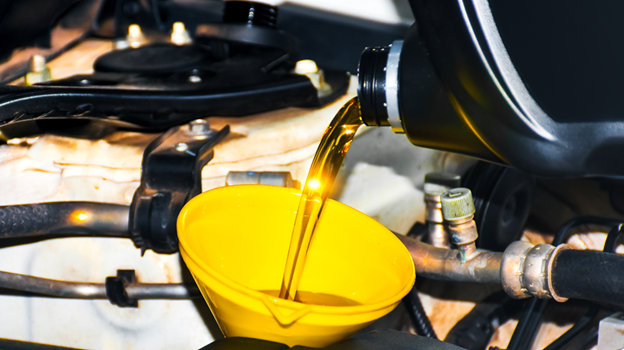
Even if you’re great about “getting the oil changed,” a few small habits can quietly work against your SUV’s engine over time. You might not notice anything wrong right away, but thousands of miles later, those choices can show up as reduced performance, higher repair bills, or a shorter engine life.
Here are eight common oil change mistakes that slowly but surely shorten your SUV engine’s lifespan—and how to avoid them.
1. Stretching Oil Change Intervals Too Far
Modern oils and engines have people convinced they can go forever between changes. While synthetic oil and newer engines do last longer than they used to, that doesn’t mean you should ignore the recommended intervals.
If you:
- Do a lot of short trips
- Sit in stop-and-go traffic
- Tow or haul heavy loads
- Drive in very hot or very cold climates
your oil is working harder than average. Stretching intervals too far allows contaminants, moisture, and fuel dilution to build up, reducing lubrication and protection. Always follow the manufacturer’s severe-service schedule if your driving conditions fit that category.
2. Using the Wrong Oil Type or Viscosity
Not all motor oils are created equal. Using the wrong viscosity (like 10W-40 when your engine calls for 5W-20) or an oil that doesn’t meet the manufacturer’s specifications can cause:
- Poor cold starts
- Inadequate lubrication at high temperatures
- Sludge buildup over time
Always check your owner’s manual or the oil cap for the proper viscosity and look for oils that meet the required certifications. It’s not just about “any synthetic” or “any full synthetic”—it has to match what your engine was designed for.
3. Ignoring the Oil Filter Quality
The oil filter isn’t just a minor add-on; it’s critical to engine health. A cheap or low-quality filter might:
- Allow contaminants to recirculate
- Become clogged sooner
- Go into bypass mode, letting unfiltered oil flow
Over time, this grit and debris can wear down internal engine parts. When you change your oil, make sure you (or your shop) are using a quality filter from a reputable brand—not just the cheapest option on the shelf.
4. Topping Off Instead of Changing the Oil
If your engine is consuming a bit of oil, it can be tempting to just top it off and keep driving. While topping off is better than running low, it’s not a substitute for full oil changes.
Old oil:
- Loses its protective additives
- Thickens and forms deposits
- Can’t protect moving parts as well
If you keep adding new oil to old oil without ever fully draining it, you end up with a mix that’s still mostly degraded. If you notice your SUV regularly needs top-offs, it’s time for both a proper oil change and an inspection to see why it’s using oil.
5. Forgetting About Time-Based Oil Changes
Many drivers only think in miles: “I haven’t hit 5,000 miles yet, so I’m fine.” But oil also ages with time, even if you don’t drive much.
If your SUV:
- Sits parked for long periods
- Is mainly used for quick, under-10-minute trips
- Only sees light mileage each month
moisture and fuel can accumulate in the oil, and additives can break down. Most manufacturers recommend an oil change every 6–12 months regardless of mileage. If you’re a low-mileage driver, time is just as important as distance.
6. Not Checking the Oil Level Between Changes
Even with regular oil changes, engines can slowly consume oil. If you never pop the hood to check, you might be running low long before your next scheduled service. Low oil means:
- Less lubrication
- Higher operating temperatures
- Increased wear on internal parts
Make it a habit to check your dipstick once a month or before long trips. It’s a quick, simple task that can save you from major engine damage.
7. Ignoring Small Leaks and “Weeps”
That little spot on the driveway might not seem like a big deal, but even a minor oil leak can add up over time. Besides the obvious mess, leaks can:
- Lower your oil level
- Damage rubber components
- Attract dirt that sticks to the engine
Some leaks start as slow weeps around valve covers, oil pans, or seals. If you notice new spots under your SUV or the smell of burning oil, have it checked. Fixing a leak early is usually much cheaper than dealing with the damage caused by running low.
8. Treating Every SUV Like It Has the Same Needs
Different SUVs have different engines, driving dynamics, and maintenance requirements. What works for a compact sedan may not be right for a heavy, all-wheel-drive family hauler. For example, if you own a Jeep and spend time off-road or in harsh conditions, your maintenance needs may be more demanding than someone who only drives on flat city streets.
If you’re scheduling a Jeep Cherokee oil change, for instance, you’ll want to consider factors like off-road use, towing, and stop-and-go traffic when deciding how often to service it and what type of oil to use.
The bottom line: your SUV isn’t “just like” every other vehicle. Its specific engine, age, mileage, and how you drive it all affect the ideal oil change routine.
Protecting Your Engine, One Oil Change at a Time
None of these mistakes will destroy an engine overnight. But over thousands of miles, they absolutely make a difference. By:
- Following the right interval
- Using correct oil and filters
- Checking levels between services
- Addressing leaks and unusual consumption early
you give your SUV’s engine the best chance at a long, healthy life.
Your SUV carries your family, your gear, and your daily life. A little extra attention to how you handle oil changes is one of the simplest, most effective ways to keep it running strong for years to come.
